
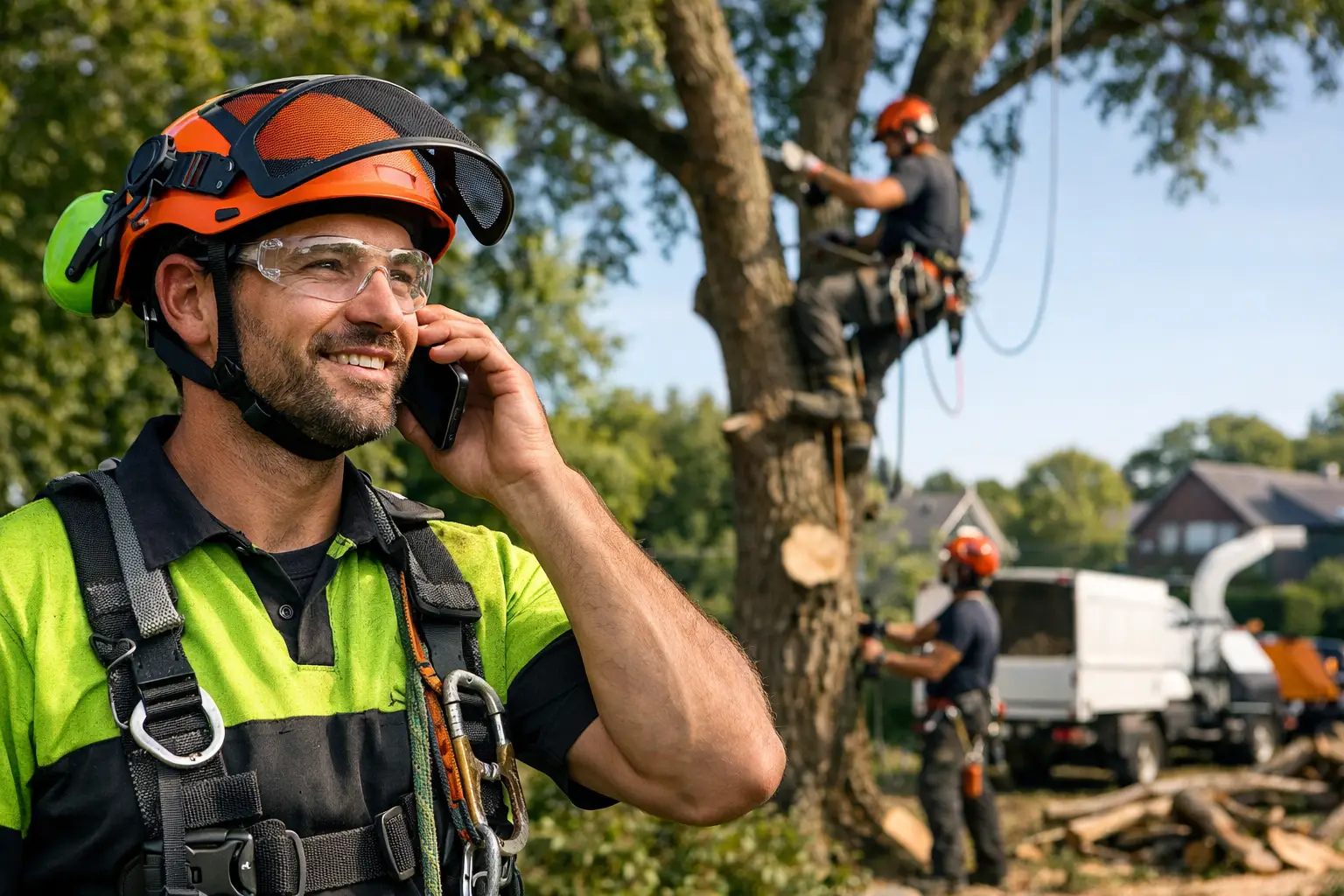
A homeowner with a dangerous overhanging limb is not browsing for days. They are looking for a local tree surgeon, checking whether you cover their area, and calling the firm that looks capable of doing the job. Good tree surgeon lead generation puts your business in front of that customer at the point they are ready to enquire.
That matters because word of mouth alone can be unpredictable. One month may be full of hedge reductions, stump grinding and storm-damage call-outs. The next may be quiet, even when your team, equipment and diary are ready for work. A dependable flow of local enquiries gives you more control over the jobs you quote for and the areas you want to cover.
Why tree surgery enquiries are different
Tree work is not one simple service. A homeowner searching for emergency tree removal has a different level of urgency from someone planning crown thinning before spring. Commercial clients may need clearance work, regular maintenance or site-specific risk assessments. The best campaigns account for those differences rather than sending every searcher to a generic page about gardening.
Location is equally important. Tree surgery customers usually want a firm that can attend quickly, understands local access issues and is prepared to take on the size of job involved. Advertising too widely can produce enquiries that are expensive to service. Advertising too narrowly can leave profitable work on the table. The right coverage depends on your crews, travel time, average job value and how quickly you can survey.
There is also a trust barrier. Tree surgery is safety-critical work. Customers want clear signs that they are dealing with a professional business, not someone with a chainsaw and a vague estimate. Your advertising and landing page should make it easy to understand what you do, where you work and how to request a quote.
The problem with shared-lead platforms
Shared-lead sites can appear cheap at first. The real cost is often the time spent chasing customers who have already been sent to several other firms. By the time you call, the homeowner may have booked a survey elsewhere, collected enough prices or stopped answering altogether.
That puts pressure on your team to respond instantly while still completing work on site. It also encourages a race to the bottom on price. Winning more tree surgery work should not mean cutting your margin simply because five other contractors received the same contact details.
Exclusive enquiries change the conversation. When one homeowner enquiry goes to one business, you have a proper chance to answer questions, arrange a visit and build confidence before a competitor gets involved. It does not guarantee every job will be yours. Customers will still compare quotes, change plans or decide the work can wait. But it gives your business a fair opportunity to win the job you paid to generate.
How tree surgeon lead generation should work
A practical system starts with high-intent Google searches. These are searches from people actively looking for services such as tree removal, stump grinding, tree pruning, hedge cutting or emergency call-outs in your chosen locations. The campaign should focus budget on work you want, rather than broad searches that attract DIY questions, job seekers or people outside your service area.
When a potential customer clicks, they should land on a page built to turn interest into an enquiry. It needs to answer the basics quickly: the services you provide, the locations you cover, how to get a quote and how to call. Mobile phone matters here. Many homeowners search from their mobile phone while standing in the garden looking at the problem.
The final part is notification and tracking. A phone call or form enquiry needs to reach you straight away, with a clear record of where it came from. Without that, it is hard to know whether your budget is producing genuine opportunities or simply generating clicks. You should be able to judge performance by enquiries received, surveys booked, quotes sent and work won.
Build around the jobs you actually want
Not every enquiry is equally valuable. A small domestic pruning job close to home may fill a spare half-day. A large dismantle with difficult access may be highly profitable, but only if you have the right crew, kit and availability. Decide what a worthwhile lead looks like before spending money.
For some firms, the priority is emergency work that keeps crews busy through bad weather. For others, it is planned residential work with higher average values and more time to quote properly. You may also want campaigns separated by service area if one town produces better jobs than another. There is no single best setup. The campaign needs to match your capacity and commercial goals.
Make the first response count
Speed matters, particularly for urgent tree work. If you cannot answer while operating machinery or driving between sites, make sure someone can return calls promptly. A short, professional response is often enough to secure the survey before the customer keeps searching.
Ask the questions that help you qualify the work: where the property is, what needs doing, whether there is access for equipment, when they want it completed and whether there is an immediate safety concern. Ask for photos where appropriate. This saves wasted visits and lets you prioritise the enquiries most likely to turn into profitable work.
Do not make the mistake of treating every web enquiry like a cold lead. Someone who has asked for a tree surgeon has already raised their hand. A missed call at 10am can easily become another firm’s afternoon survey.
What to measure beyond clicks
Clicks are not jobs. A campaign can deliver plenty of website traffic while producing very little useful work. The measures that matter are simpler: qualified enquiries, calls answered, surveys booked, quotes accepted and revenue generated.
Keep a basic record of each lead from first contact to outcome. Note the service requested, postcode, quoted value and whether you won the job. After a few weeks, patterns become clearer. You may find that stump grinding enquiries convert well, that a particular area is too far away, or that one type of job needs a separate campaign and budget.
This is also how you make sensible decisions about advertising spend. If a campaign produces regular enquiries but your close rate is low, the issue may be response time, quoting or pricing rather than the ads. If calls are strong and you are winning work, increasing the budget may be justified. Marketing should be managed like any other part of the business: by what it returns, not by what it looks like in a report.
Avoid the common budget leaks
Poor tree surgeon lead generation usually fails for predictable reasons. Broad targeting brings in irrelevant searches. A slow website loses mobile visitors. A generic page gives customers no reason to get in touch. And weak tracking means nobody knows which enquiries came from paid advertising.
Seasonality needs thought as well. Demand can shift with weather, nesting considerations, garden-maintenance periods and local storms. That does not mean switching advertising off whenever things are busy. It means controlling spend and lead volume so you are not paying for enquiries you cannot handle. In quieter periods, campaigns can help keep the diary moving. When capacity is tight, location and service targeting can be narrowed.
Be wary of agencies that talk mainly about impressions, reach and click-through rates while avoiding questions about calls and booked surveys. Those figures can help diagnose a campaign, but they are not the end result. You need clear visibility of where your money goes and what comes back.
A managed route to more local work
Running Google Ads well takes ongoing attention. Search terms need checking, budgets need managing, landing pages need improving and results need tracking. Most tree surgeons would rather be pricing jobs, managing crews and getting work completed safely than learning advertising platforms after hours.
A fully managed service can handle the advertising, conversion page, enquiry tracking and instant notifications as one system. Win Jobs is built around exclusive job enquiries, so your business is not competing for the same homeowner contact details. With no setup fees and no long-term contract, the focus stays where it should be: whether the enquiries are helping you win worthwhile work.
The strongest campaign is not the one that generates the most noise. It is the one that keeps putting the right local customers in front of a business that can answer quickly, quote confidently and do a professional job. Get those parts right, and your marketing becomes a steadier source of work rather than another task waiting at the end of the day.